Steel Waste bins
Skip Bins Leading Supplier
specialises in manufacturing steel waste
bins, offering durable, high-quality, and eco-friendly
solutions for the global market,with a particular
focus on the Australian market.
OEM AND ROBOT welding equipment
Feature Products
SKIP BINS
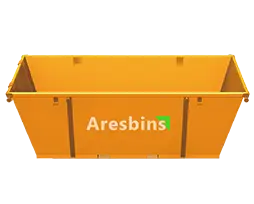
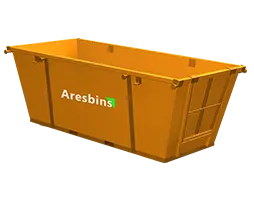
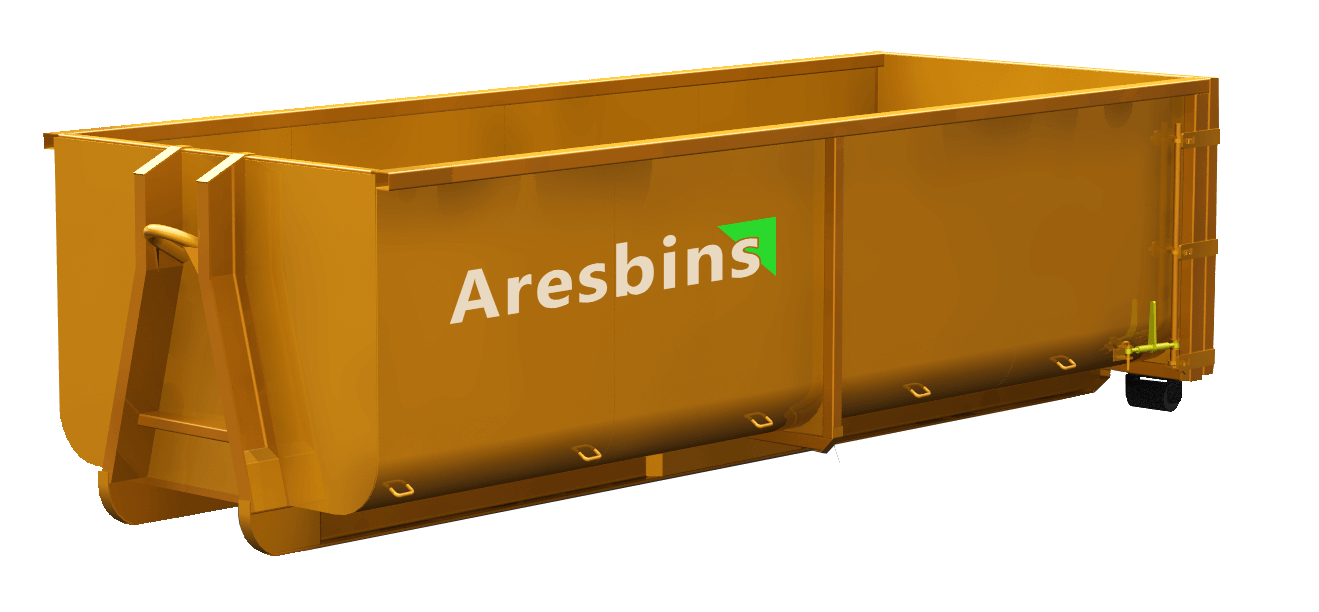
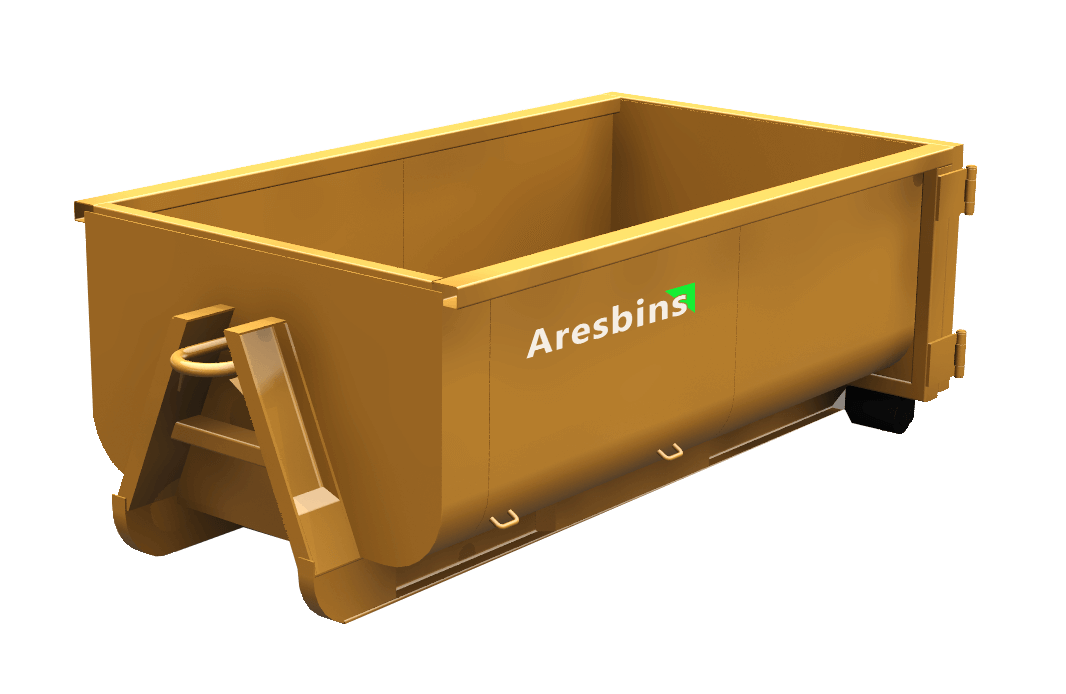
Aresbins are available in Frontlift, Hook Lift, and Skip Bin styles, in various sizes, and can be supplied according to standard Aresbins designs or custom-built to meet individual specifications. Please note that due to the unique customization needs of each customer, actual delivery times may vary.
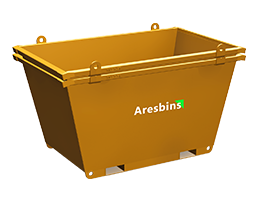
Crane Bins
Featuring a robust construction with 3mm wall and floor thickness, 5mm side lifting pockets and wheel pads, and customizable surface treatments such as painting or hot-dip galvanizing, our Crane bins are built to last and tailored to meet your needs. Explore our options to discover more.
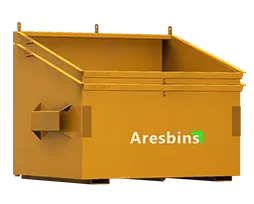
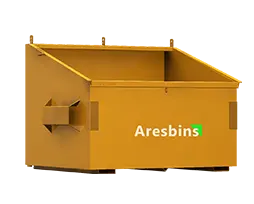
frontlift bins
Aresbins Frontlift Bins are available in three capacities: 1.5, 3.0, and 4.5 m³. Designed to fit the lifting arms of industry-standard front lift waste collection trucks, our bins offer both standard and custom-built options. Click below for more details.
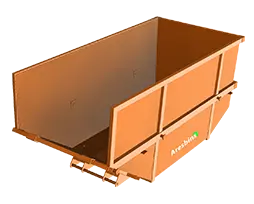
Marell Bins
At Aresbins, our Marrel Bins boast a durable 3mm wall thickness, customizable features, and surface treatments like painting or hot-dip galvanizing. Additionally, for your convenience, these bins can be flat-packed for shipping. We also offer a comprehensive range of spare parts to meet all your maintenance and customization needs, reflecting our commitment to quality and service.
Steel parts
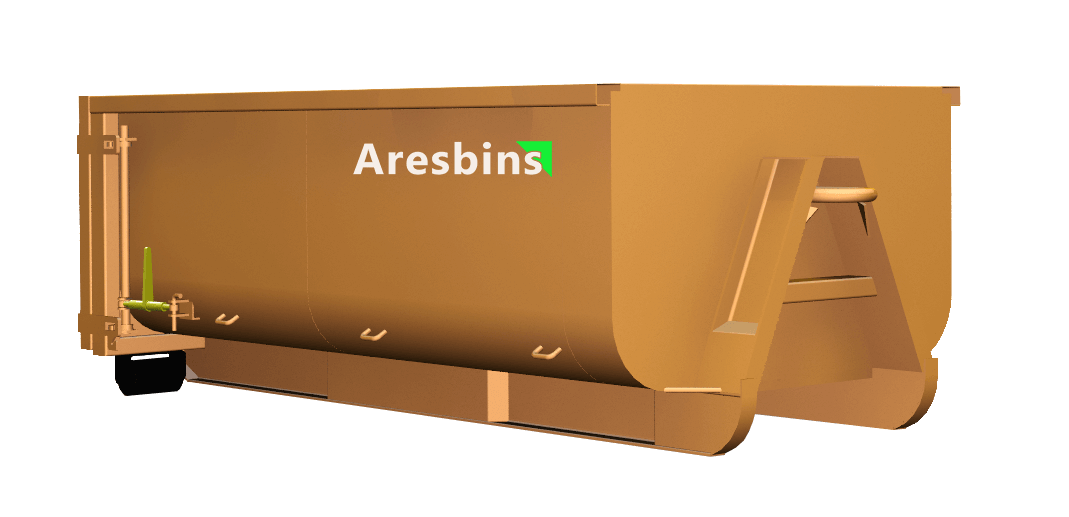
Hooklift bins
At Aresbins, we offer a comprehensive range of spare parts to meet all your maintenance and customization needs, reflecting our commitment to quality and service. Our Hooklift Bins support any customization, accommodating any size and any distance requirements.
expererience
Over 20 years of production and export experience
We have over 20 years of profound accumulation in the field of environmental protection trash bins, being familiar with the needs and standards of the Australian market, and able to provide you with accurate and professional services.
TALENT
Highly skilled engineering design &production team.
At Aresbins, we specialize in delivering one-stop custom production and design solutions for waste handling equipment. Our comprehensive approach ensures that from initial design to final delivery, every aspect of our service is geared towards meeting the unique requirements of our clients. Whether it’s national contract roll-outs, large-scale orders, or customized products such as hook lift sludge bins, marell/skip bins, and forklift tippler bins, we provide certainty and reliability.
Factory
Latest CNC metal cutting & robot welding equipment.
Our skilled workforce is dedicated to excellence, meticulously crafting each skip bin and compactor to meet the rigorous demands of the waste management industry. From initial design to final assembly, every step in our production process is driven by our commitment to customer satisfaction and our mission of “customer first, quality foremost.”
With a focus on sustainable practices and continuous improvement, our factories not only produce top-tier waste handling equipment but also contribute to a greener future. At Aresbins, we take pride in our manufacturing prowess, ensuring that our clients receive the best products on the market, delivered with reliability and care.
OEM

design

Fro Brand
Bespoke branded design options available for waste bins. wre are the leading suppliers In Australia. No Matter quality, Service or Price are the best.
ARESBINS SUPPORT
At Aresbins, our commitment to excellence extends far beyond the point of sale. With 20 years of experience in the skip bins industry, we understand that outstanding after-sale support is crucial to maintaining the trust and satisfaction of our clients.
Our dedicated after-sale support team is here to ensure that your experience with our products remains positive long after delivery. Whether you need technical assistance, maintenance services, or replacement parts, we provide comprehensive support tailored to your specific needs. Our professional and knowledgeable staff are always ready to address any concerns, ensuring that your equipment continues to perform at its best.
We pride ourselves on our rapid response times and effective solutions, backed by an extensive network that guarantees prompt and reliable service. At Aresbins, we stand by our mission of “customer first, quality foremost,” ensuring that you receive the highest level of support and care throughout the lifespan of your equipment.
Choose Aresbins for not only top-tier waste management solutions but also unparalleled after-sale support, designed to keep your operations running smoothly and efficiently. Your satisfaction is our priority, and we are here to support you every step of the way.
ARESBINS PRICE
At ARESBINS Group, we are providing the industry with consistently competitive products. By investing in advanced technology, we streamline our manufacturing processes to achieve cost savings, allowing us to offer products that deliver excellent value for money. For instance, we utilize robotic welding technology and infrared positioning systems in the production of our steel-structured garbage bins. These technologies ensure precision and efficiency, enhancing the overall quality of our products. Our commitment to customer satisfaction drives us to continuously exceed expectations. We foster a culture of continuous improvement within our team, ensuring our product quality, output, and working environment are unparalleled.
Quality Guaranteed
At Aresbins, we are committed to delivering exceptional quality at every stage of our operations. From administration to production and dispatch, we employ qualified and trained staff to ensure our products consistently meet the high standards and expectations of our customers. Staff training is a top priority at Aresbins, and we invest substantial resources each year to maintain a highly skilled and trained team. We believe that this investment is crucial to the overall success and smooth operation of our company.
Raw Material Inspection
Production Process Control
Welding Quality Inspection
Surface Treatment Inspection
Finished Product Inspection
Packaging and Transportation Inspection
Need Help With Skip Bins Supplier? Let Us Help You Simplify the Process. Request a Free Consultation Now!
Reach Us
Our goal is to continuously improve and innovate, ensuring that our customers receive the most reliable and competitive solutions for their waste management needs. Through dedication, expertise, and a customer-centric approach, we strive to build long-lasting partnerships and contribute to a cleaner, more sustainable world.
Add: NO. 149 Yunshui Road, Anlu City, Hubei Province China
Australian: +61 413 586 181